
Importance of Sofa Cleaning: Reasons to Keep Your Sofa Clean
Introduction to Importance of Sofa Cleaning
A sofa is one of the most frequently used pieces of furniture in any home. It is where family members relax, watch television, spend time together, and sometimes enjoy meals or snacks. Because of its everyday use, a sofa can gradually collect dust, dirt, food crumbs, pet hair, and stains.
Although a sofa may look clean from a distance, dirt and unwanted particles can build up between the cushions and deep inside the fabric. Over time, this can affect its appearance, comfort, and overall condition.
Understanding the importance of sofa cleaning helps homeowners maintain a cleaner living space, protect their furniture, and create a more comfortable indoor environment. Regular sofa maintenance is not only about removing visible stains; it also helps preserve the fabric and prevent dirt from accumulating.
In this guide, we will explore 12 important reasons to clean your sofa regularly, including its appearance, hygiene, durability, comfort, and long-term maintenance.
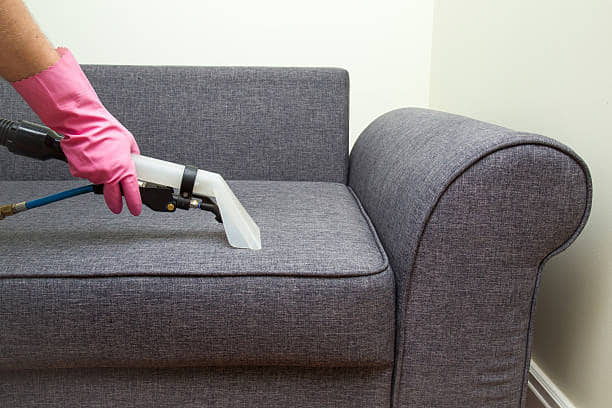
1. Maintains the Appearance of Your Living Room
First Impressions Matter
Your sofa is often one of the most noticeable pieces of furniture in your living room. When guests visit your home, a clean and well-maintained sofa can make the space look more welcoming.
Dust, stains, food marks, and discoloration can make even an expensive sofa look old and neglected. Regular cleaning helps remove visible dirt and maintain the original appearance of the upholstery.
Enhances Interior Decoration
A sofa plays an important role in your home’s interior design. Its colour, fabric, and overall appearance contribute to the look of your living room.
When the sofa is clean, it complements other furniture and decorations more effectively. Keeping it free from accumulated dirt and stains helps maintain a neat and attractive living space.
2. Helps Maintain a Healthier Indoor Environment
Reduces Dust and Allergen Buildup
Sofas can collect dust, pet hair, pollen, and other particles through everyday use. These materials may become trapped between cushions and inside upholstery fibres.
For households with children, pets, or people sensitive to dust, regular cleaning can help reduce the accumulation of these unwanted particles.
Removes Dirt and Everyday Contamination
Food crumbs, sweat, body oils, and accidental spills can gradually make their way into sofa fabric. If left unattended, these materials may contribute to unpleasant smells and an unclean seating surface.
Appropriate sofa cleaning helps remove accumulated dirt and supports better furniture hygiene.
3. Helps Prevent Unpleasant Odours
Sofas can absorb different smells from everyday household activities. Food spills, sweat, pet odours, and moisture can become trapped in upholstery materials.
Simply wiping the surface may not remove smells that have penetrated deeper into the fabric or cushioning.
Regular cleaning helps remove the dirt and residue responsible for many unpleasant odours. Proper drying after cleaning is equally important because remaining moisture can contribute to musty smells.
4. Extends the Lifespan of Your Sofa
Prevents Premature Fabric Wear
Dust and dirt particles can become trapped within upholstery fibres. With repeated sitting and movement, these particles may contribute to fabric wear over time.
Regular cleaning helps remove accumulated dirt before it becomes deeply embedded in the material.
Protects the Sofa’s Overall Condition
Different sofa materials require different maintenance methods. Using suitable cleaning techniques helps protect the upholstery and maintain its appearance.
Following the manufacturer’s care instructions and avoiding unsuitable cleaning chemicals can help prevent unnecessary damage.
5. Helps Prevent Stubborn Stains
Spills and stains are common problems, especially in homes where sofas are used frequently.
Coffee, tea, juice, food, ink, and other substances can leave marks on upholstery. If spills are not addressed properly, they may become more difficult to remove.
Cleaning spills promptly using a method suitable for the sofa fabric can help prevent permanent staining.
Regular maintenance also reduces the chance of dirt and residue building up around frequently used seating areas.
6. Improves Seating Comfort
A clean sofa provides a more pleasant place to sit and relax. Dust, crumbs, pet hair, and other unwanted particles can make the seating surface feel unpleasant.
Cleaning the sofa helps remove these materials and keeps the upholstery fresher.
Whether you are watching television, reading a book, or spending time with your family, a clean sofa makes everyday relaxation more enjoyable.
7. Supports Family Hygiene and Well-being
The sofa is shared by different members of the household throughout the day. Children may play on it, family members may rest on it, and pets may spend considerable time on its surface.
Because of this frequent contact, maintaining sofa cleanliness is an important part of general household hygiene.
Regular cleaning helps remove accumulated dirt, food residue, and other unwanted materials, creating a more pleasant environment for everyone.
8. Helps Maintain a Cleaner Home
Cleaning your sofa is an important part of maintaining the overall cleanliness of your living room.
Even if floors, tables, and other furniture are cleaned regularly, a dirty sofa can make the entire room feel less tidy.
Including sofa maintenance in your household cleaning routine helps maintain a consistent level of cleanliness throughout your home.
9. Encourages Environmentally Conscious Cleaning
Choosing appropriate cleaning methods is important for both furniture care and the surrounding environment.
Some practical approaches include:
- Using cleaning products suitable for the sofa’s material.
- Avoiding excessive use of harsh chemicals.
- Following product instructions carefully.
- Using water responsibly during cleaning.
- Allowing the sofa to dry properly before use.
Eco-conscious cleaning does not mean using the same natural product on every fabric. Always check the manufacturer’s care instructions before applying any cleaning solution.
10. Makes Regular Maintenance Easier
Cleaning a sofa regularly is generally easier than dealing with years of accumulated dirt and neglected stains.
Small maintenance habits can help keep your sofa in better condition:
- Vacuum the sofa periodically using an upholstery attachment.
- Remove loose crumbs and dust from between the cushions.
- Clean fresh spills according to the fabric care instructions.
- Rotate removable cushions when recommended by the manufacturer.
- Keep pets’ hair and other debris under control.
These simple steps can reduce the amount of dirt that accumulates over time and make deeper cleaning more manageable.
11. DIY Sofa Cleaning vs Professional Sofa Cleaning
Homeowners can handle some basic sofa maintenance themselves, but certain cleaning requirements may need professional attention.
DIY Sofa Cleaning
Do-it-yourself cleaning is useful for routine maintenance and minor dirt.
Advantages:
- Convenient for everyday maintenance.
- Helps remove loose dust and surface debris.
- Allows you to address fresh spills promptly.
- Can be included in your regular household cleaning routine.
Limitations:
- Household methods may not remove deeply embedded dirt.
- Incorrect cleaning products can damage certain fabrics.
- Excessive water can affect upholstery and cushioning.
- Some stains require specialised treatment.
Professional Sofa Cleaning
Professional sofa cleaning may be suitable when the upholstery has accumulated significant dirt, developed unpleasant odours, or contains stains that are difficult to remove.
Depending on the sofa material and its condition, professional cleaning may involve suitable equipment and fabric-specific cleaning methods.
Advantages:
- Helps address deeply embedded dirt.
- Provides cleaning methods suited to different upholstery materials.
- Can help treat stubborn stains and unpleasant odours.
- Reduces the risk of damage caused by unsuitable household cleaning methods when handled correctly.
The choice between DIY and professional cleaning depends on the sofa’s material, condition, and level of dirt.
12. Cleaning Is More Practical Than Neglecting Your Sofa
A sofa is an important household investment, and replacing it because of neglected maintenance can be inconvenient.
Regular cleaning helps preserve its appearance and condition, potentially delaying the need for replacement.
While cleaning cannot repair every type of fabric damage or restore heavily deteriorated furniture, proper maintenance can help prevent avoidable dirt buildup and premature wear.
For this reason, sofa cleaning should be considered part of routine furniture care rather than something that is only necessary when the sofa becomes visibly dirty.
How Often Should You Clean Your Sofa?
The ideal cleaning frequency depends on how often the sofa is used, the type of upholstery, and household conditions.
As a general maintenance guide:
- Weekly: Remove loose dust, crumbs, and pet hair.
- Monthly: Inspect the cushions, corners, and frequently used areas for accumulated dirt.
- Every 6–12 months: Consider a more thorough cleaning, depending on usage and the manufacturer’s care recommendations.
- Whenever spills occur: Address them promptly using a suitable cleaning method.
Homes with pets, children, or heavy sofa usage may require more frequent maintenance.
Frequently Asked Questions About the Importance of Sofa Cleaning
1. Why is sofa cleaning important?
Sofa cleaning is important because it helps remove accumulated dust, dirt, stains, pet hair, and unpleasant odours. It also helps maintain upholstery appearance, support household hygiene, and preserve the furniture’s condition.
2. How often should I clean my sofa?
Basic maintenance, such as vacuuming and removing loose dirt, can be done regularly. A deeper cleaning may be considered every 6–12 months, depending on sofa usage, fabric type, and household conditions.
3. Can a dirty sofa affect indoor air quality?
Sofas can collect dust, pet dander, and other airborne particles. These materials may become disturbed during everyday use. Regular cleaning can help reduce their accumulation in upholstered furniture.
4. Can I clean my sofa using household products?
Some minor cleaning tasks can be handled with suitable household products, but not every product is safe for every upholstery material. Always check the manufacturer’s care instructions and test an appropriate cleaning solution on a hidden area first.
5. Does regular sofa cleaning extend furniture life?
Regular cleaning helps remove dirt and particles that may contribute to fabric wear. Combined with suitable maintenance, it can help preserve the sofa’s appearance and condition for longer.
6. What are the signs that my sofa needs cleaning?
Common signs include visible stains, unpleasant smells, accumulated dust, pet hair, discoloured fabric, and dirt around frequently used seating areas.
7. Is professional sofa cleaning worth it?
Professional sofa cleaning can be worthwhile when dirt is deeply embedded, stains are difficult to remove, or the sofa requires fabric-specific cleaning. It can help maintain upholstery condition when appropriate methods are used.
8. Is sofa cleaning necessary if the sofa looks clean?
Yes. Dust, crumbs, pet hair, and other particles can accumulate in cushions and upholstery even when the sofa looks clean from the outside. Regular maintenance helps address this hidden buildup.
Conclusion
Understanding the importance of sofa cleaning is essential for maintaining a clean, comfortable, and welcoming home. Since sofas are used regularly, they naturally collect dust, dirt, food particles, pet hair, and stains that can affect their appearance and condition.
Regular sofa maintenance helps preserve upholstery, reduce unwanted dirt buildup, prevent unpleasant odours, and make your living space more enjoyable. Whether you handle basic cleaning yourself or arrange professional cleaning when necessary, taking care of your sofa is an important part of household maintenance.
By making sofa cleaning a regular habit, you can keep your furniture looking better, enjoy a more comfortable seating area, and protect your investment over time. Contact us for more inforamtion.
